What can I make with shrimp and pasta?
Shrimp and Pasta is the fastest protein in most kitchens: usually under ten minutes, start to finish. The recipes below use shrimp and pasta, and the notes after them cover the timing and heat that keep it tender rather than rubbery.
12 recipes with shrimp and pasta
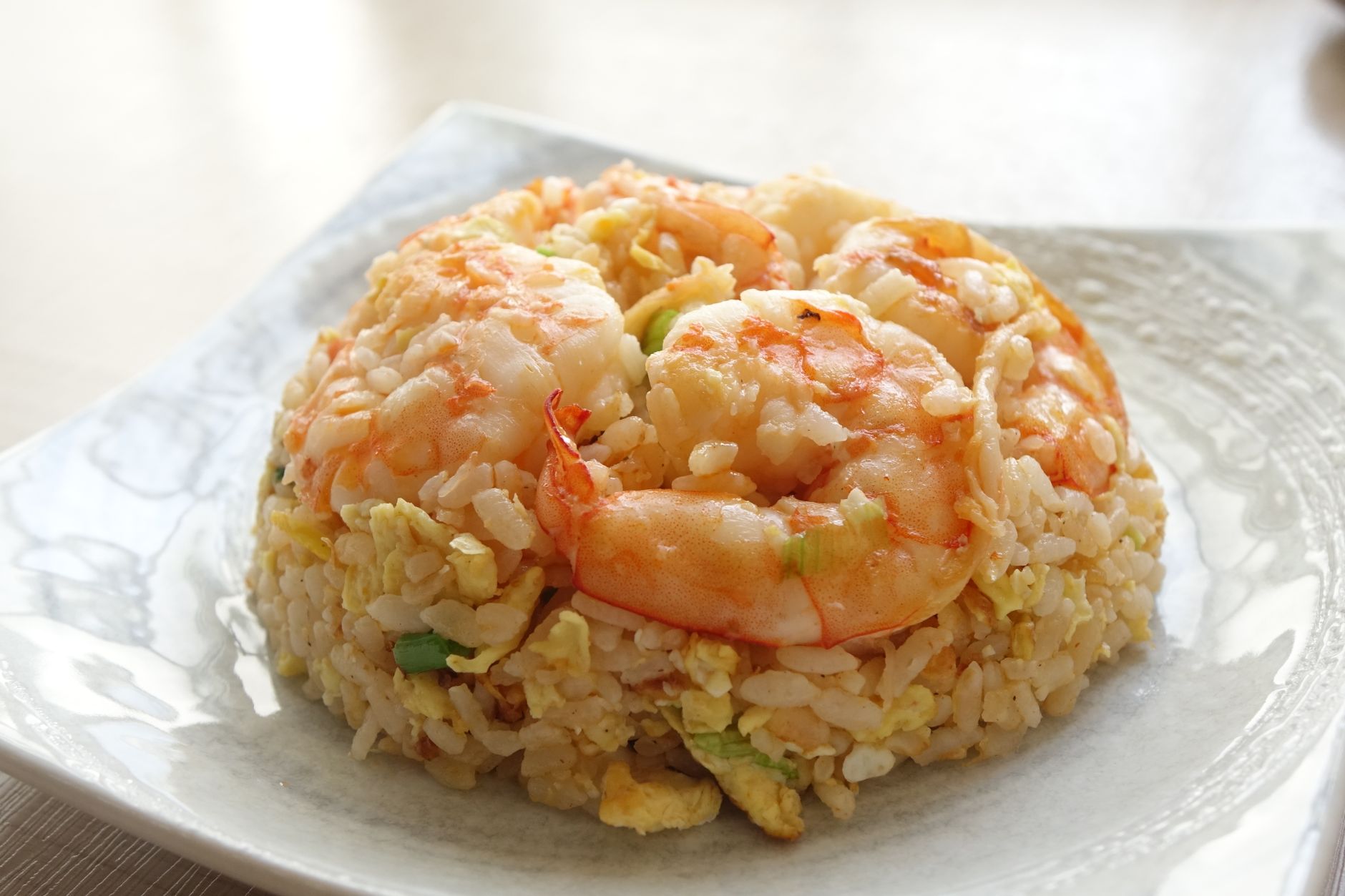
Shrimp Fried Rice
Quick wok-style fried rice with shrimp and eggs.
Chinese20m3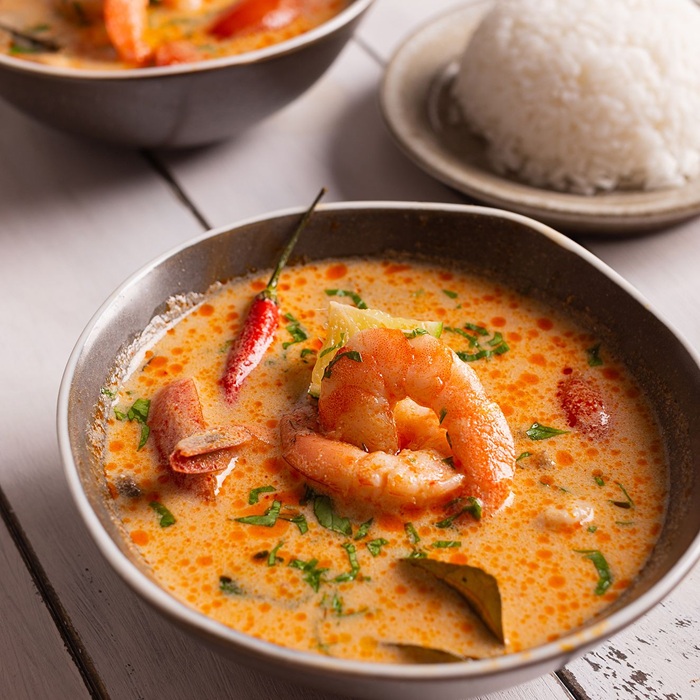
Tom Yum Soup
Hot-and-sour Thai soup with shrimp and lemongrass.
Thai25m3Nasi Goreng
Sweet, savory, spicy fried rice topped with a fried egg.
Indonesian25m4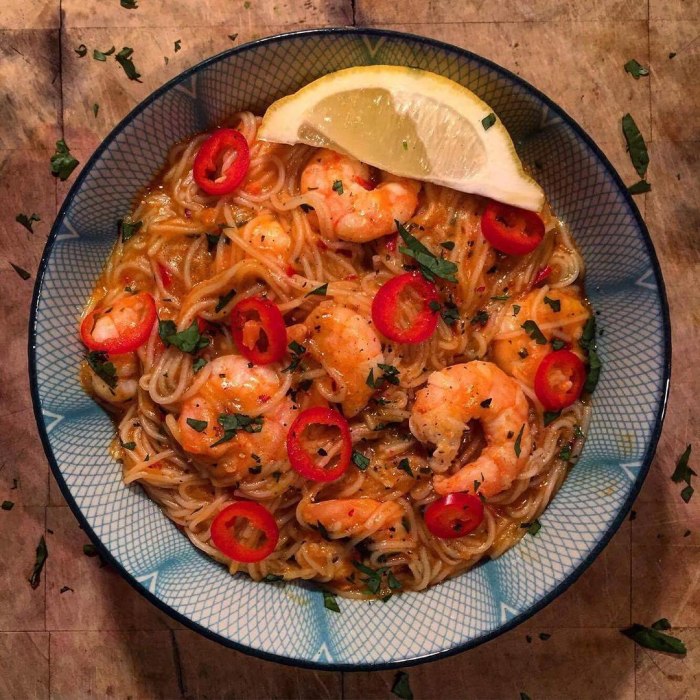
Laksa
Spicy coconut curry noodle soup with shrimp and tofu puffs.
Malaysian30m4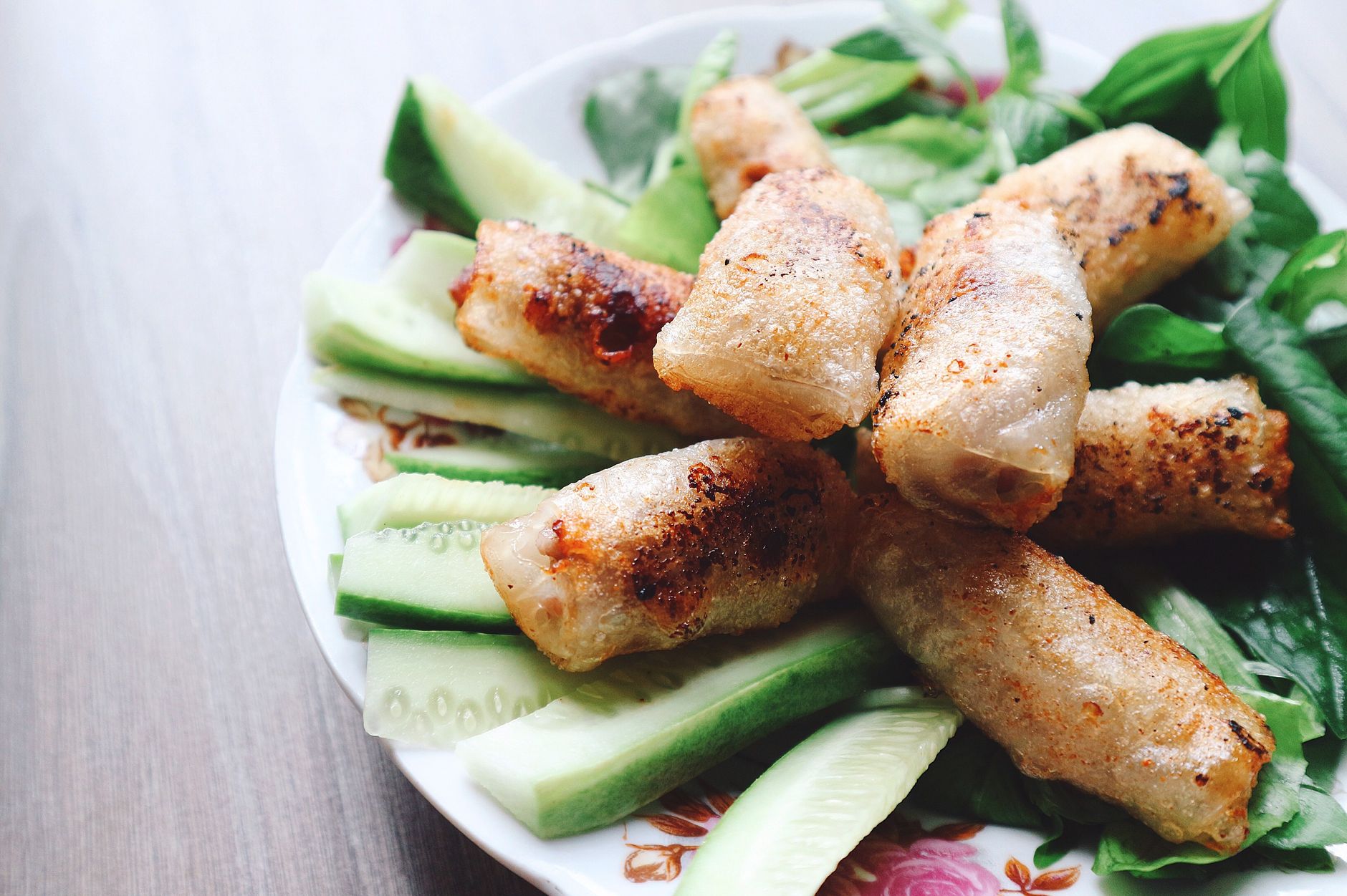
Spring Rolls
Fresh rice paper rolls stuffed with shrimp, herbs, and vermicelli.
Vietnamese30m4
Tempura
Ethereally light battered and fried shrimp and vegetables.
Japanese30m4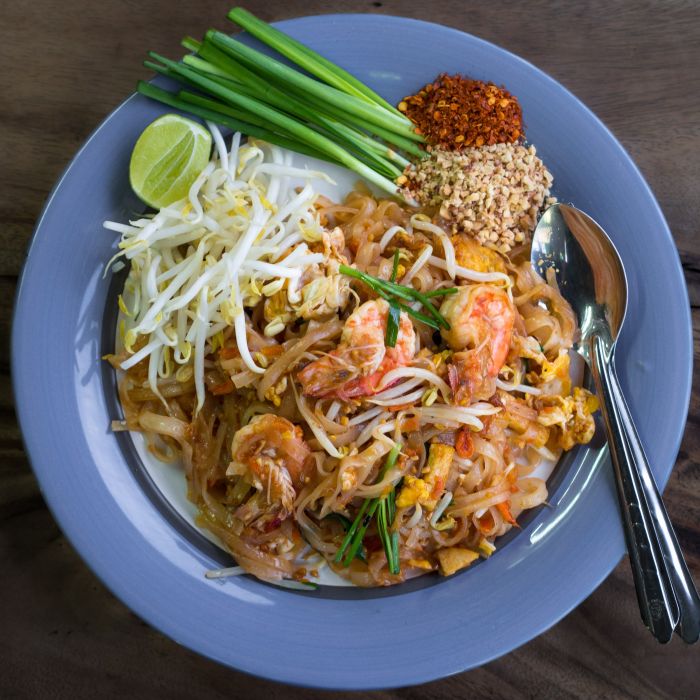
Pad Thai
Stir-fried rice noodles with shrimp, peanuts, and tamarind sauce.
Thai30m4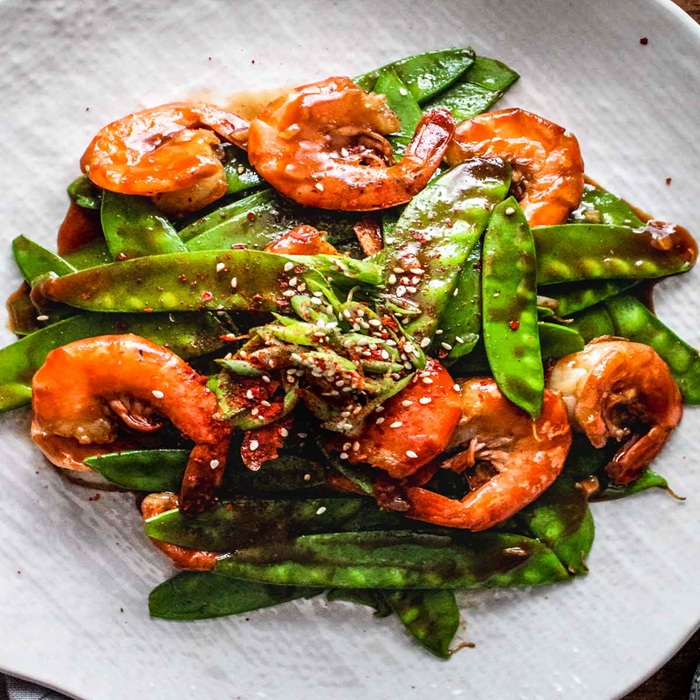
Shrimp With Snow Peas
You can also use sugar snap peas for this recipe.
Chinese4
Napa Cabbage with Dried Shrimp
Dried shrimp gives this Chinese dish a punch of salty umami flavor.
Chinese4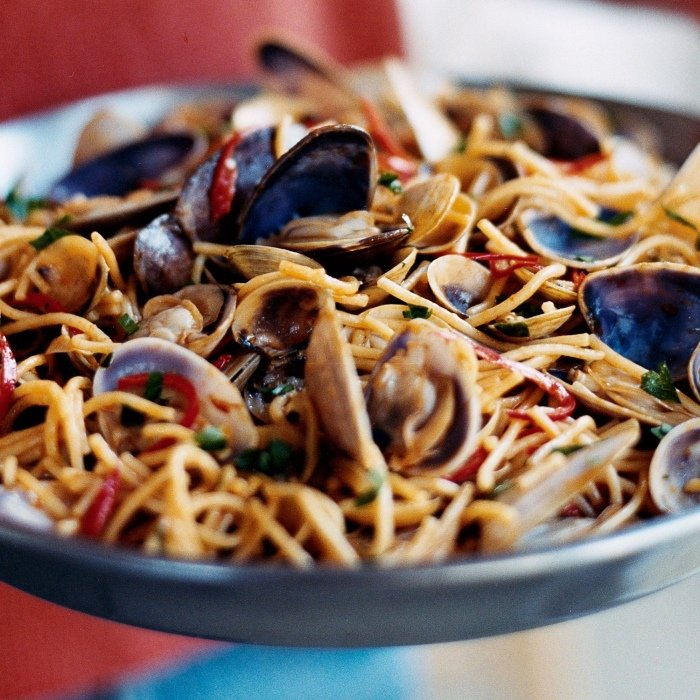
Seafood fideuà
Boil the kettle.
Spanish4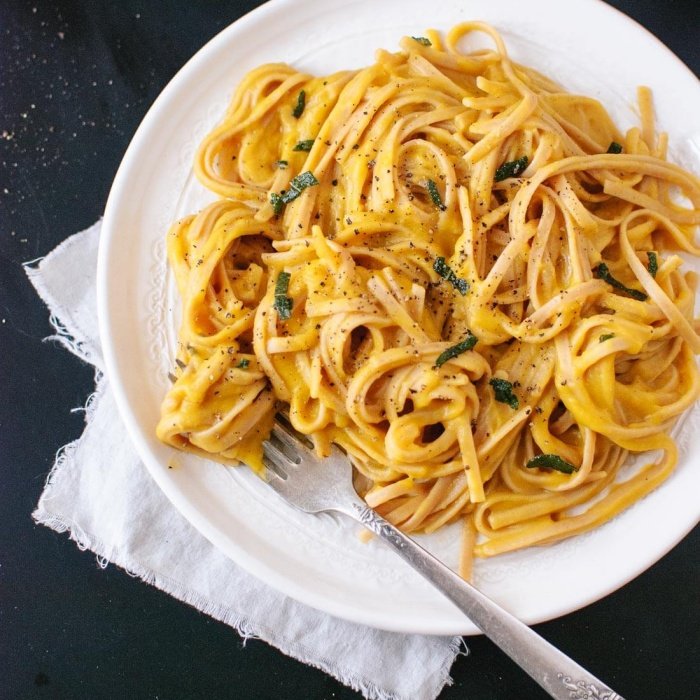
Squash linguine
Heat oven to 200C/180C fan/gas 6.
Italian4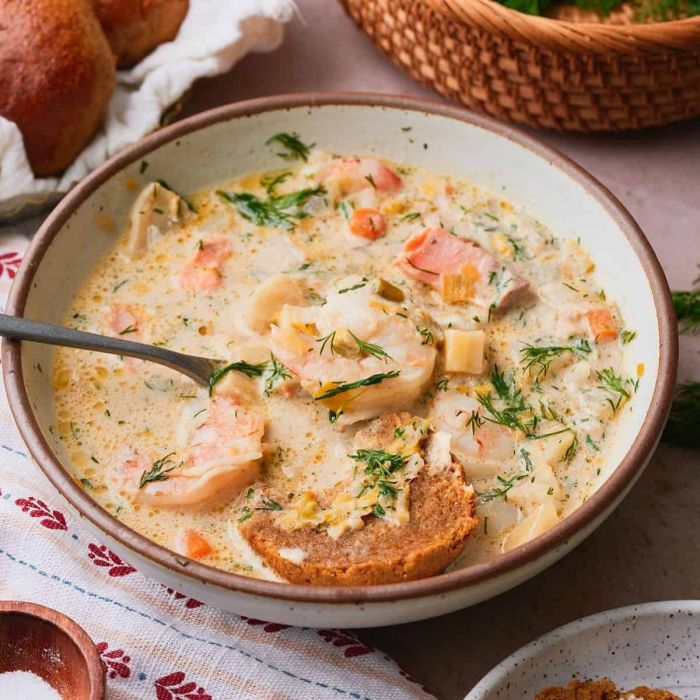
Fiskesuppe (Creamy Norwegian Fish Soup)
▢ Cut the fish fillets in cubes or strips.
Norway4
How to cook shrimp and pasta the easy way
- 1Dry the shrimp and pasta thoroughly and season just before it hits the heat, so the salt does not draw out moisture.
- 2Use a hot, well-oiled pan and lay it away from you. Leave it alone until the edges turn opaque.
- 3Flip once. Most fillets need 3-4 minutes on the first side and barely 1-2 on the second; shrimp cook in about 90 seconds a side.
- 4Take it off while the centre is just translucent. Carryover heat finishes it, and overcooked seafood cannot be rescued.
What goes well with shrimp and pasta
Shrimp and Pasta is at its best with lemon, butter, garlic, dill, chili flakes and white wine. Any two or three of those, plus shrimp and pasta, is already a dinner rather than an ingredient list.
Storing shrimp and pasta
Fresh shrimp and pasta should be cooked the day you buy it, or the day after at the latest, stored over ice in the coldest part of the fridge. Frozen is often the better choice - thaw it overnight in the fridge, never at room temperature. Cooked leftovers keep two days.
Substituting shrimp and pasta
If you are out of shrimp and pasta, look for something that behaves the same way in the pan rather than something that tastes the same. Match the moisture level, the cooking time, and the richness, and adjust the liquid slightly if your substitute releases more water. When in doubt, describe what you actually have in the chat and Mr. Chef will rewrite the recipe around it.
Shrimp and Pasta recipes: common questions
- What can I make with shrimp and pasta and not much else?
- Plenty. With shrimp and pasta plus an onion, garlic, oil, and salt you already have the base of a skillet dinner, a soup, or a simple sauce. Add a starch - rice, pasta, bread, or potatoes - and it becomes a full meal. The recipes above are ordered so the ones needing the fewest extra items come first.
- What is the quickest shrimp and pasta recipe?
- Look for the entries above marked 20 minutes or less. As a rule, anything cut small and cooked in a hot pan beats anything roasted whole, and one-pan recipes save more time in cleanup than in cooking.
- Can I substitute shrimp and pasta?
- In most recipes yes, as long as the replacement plays a similar role - similar moisture, similar cooking time, similar richness. Swapping across roles (a watery vegetable for a starchy one, for instance) usually needs a change in liquid or cooking time too.
- How do I use up leftover shrimp and pasta?
- Fried rice, a frittata, a grain bowl, a soup, or a quesadilla will absorb almost any leftover shrimp and pasta without a recipe. If you want something specific, tell Mr. Chef exactly what is in the fridge and it will build a recipe around it.
- What temperature should shrimp and pasta be cooked to?
- Use an instant-read thermometer rather than timing: 165F for poultry, 160F for ground meat, 145F for whole cuts and fish, all measured at the thickest point away from bone. Rest larger cuts for five minutes before cutting.